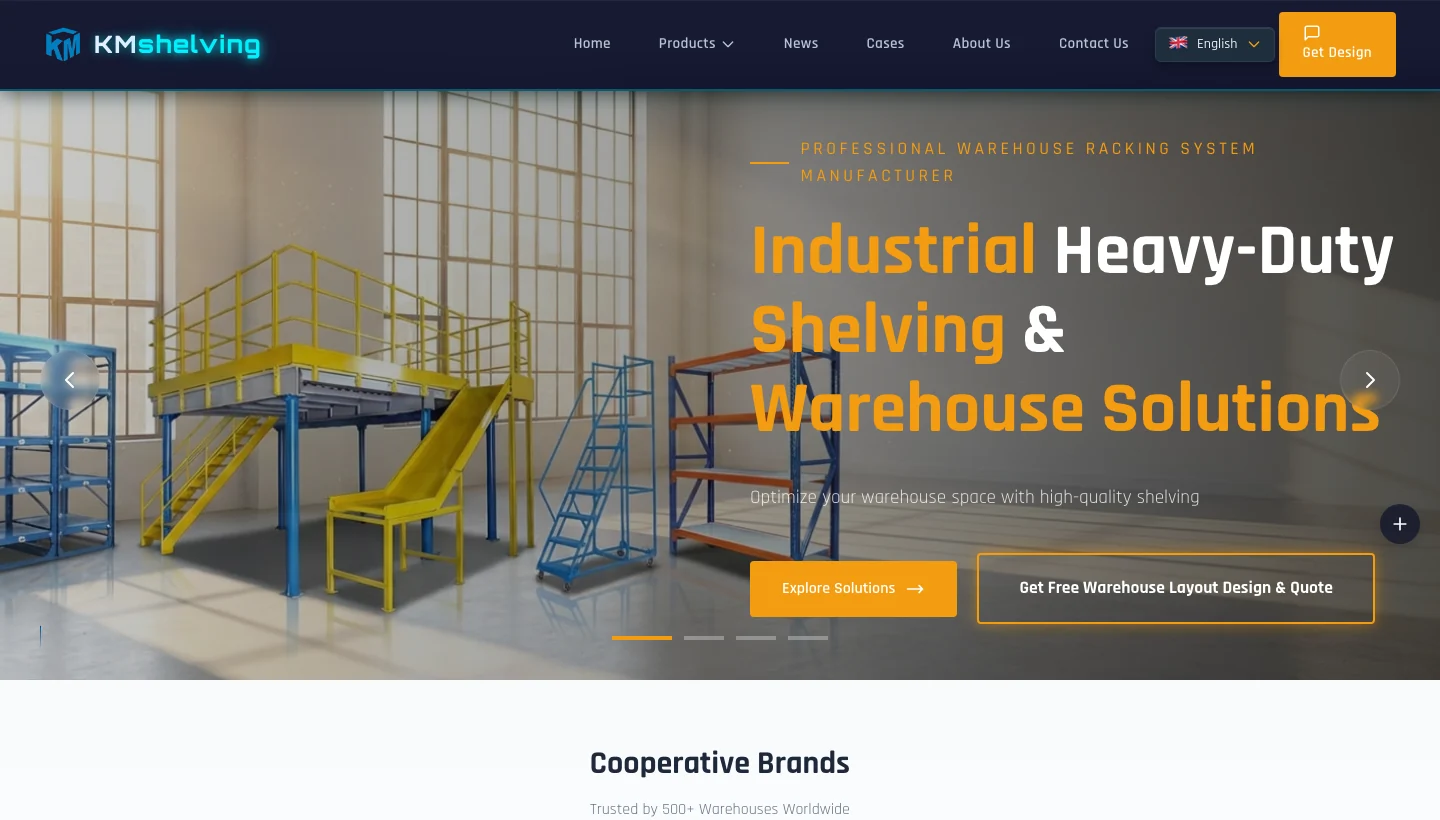
 KMS Shelving: Multilingual Export Website for an Industrial Racking BrandA multilingual export website for an industrial warehouse racking manufacturer, built around product clarity, factory strength, certification proof, and inquiry conversion.
Process-led homepage
Build trust before the first inquiry
We use diagnosis, structure, content, launch, and ongoing optimization to turn your site into a real overseas lead-generation tool.
Trusted by 20+ companies going global



CASES
View AllRecent Cases
KMS Shelving: Multilingual Export Website for an Industrial Racking BrandA multilingual export website for an industrial warehouse racking manufacturer, built around product clarity, factory strength, certification proof, and inquiry conversion.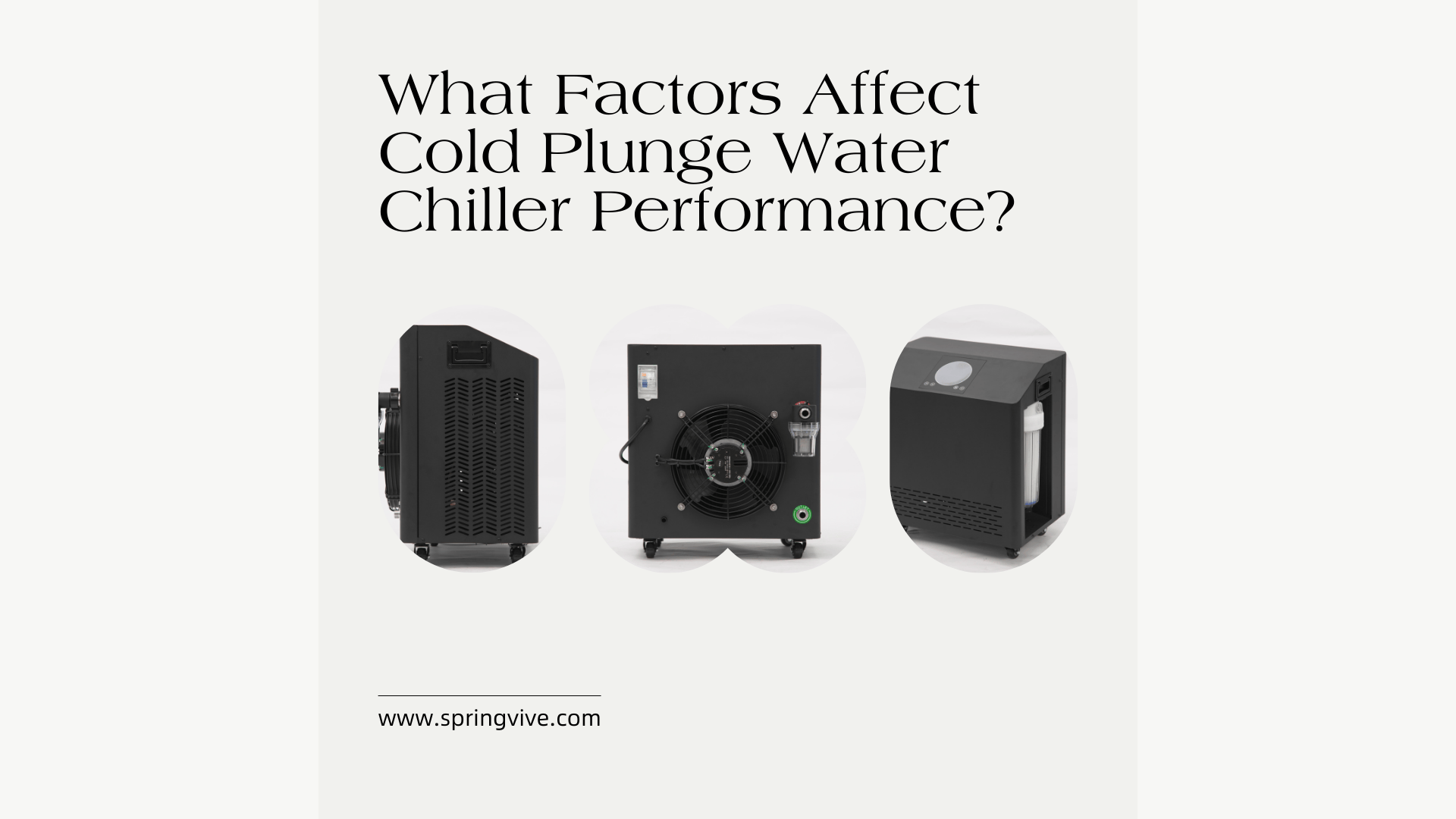 Springvive: Building a Chiller Brand Website for Overseas B2B BuyersFor Springvive, we reorganized the brand, products, manufacturing capabilities, and professional content around chillers, all-in-one cold-plunge equipment, and buyer inquiries, helping overseas buyers understand the product range, customization options, and contact channels faster.
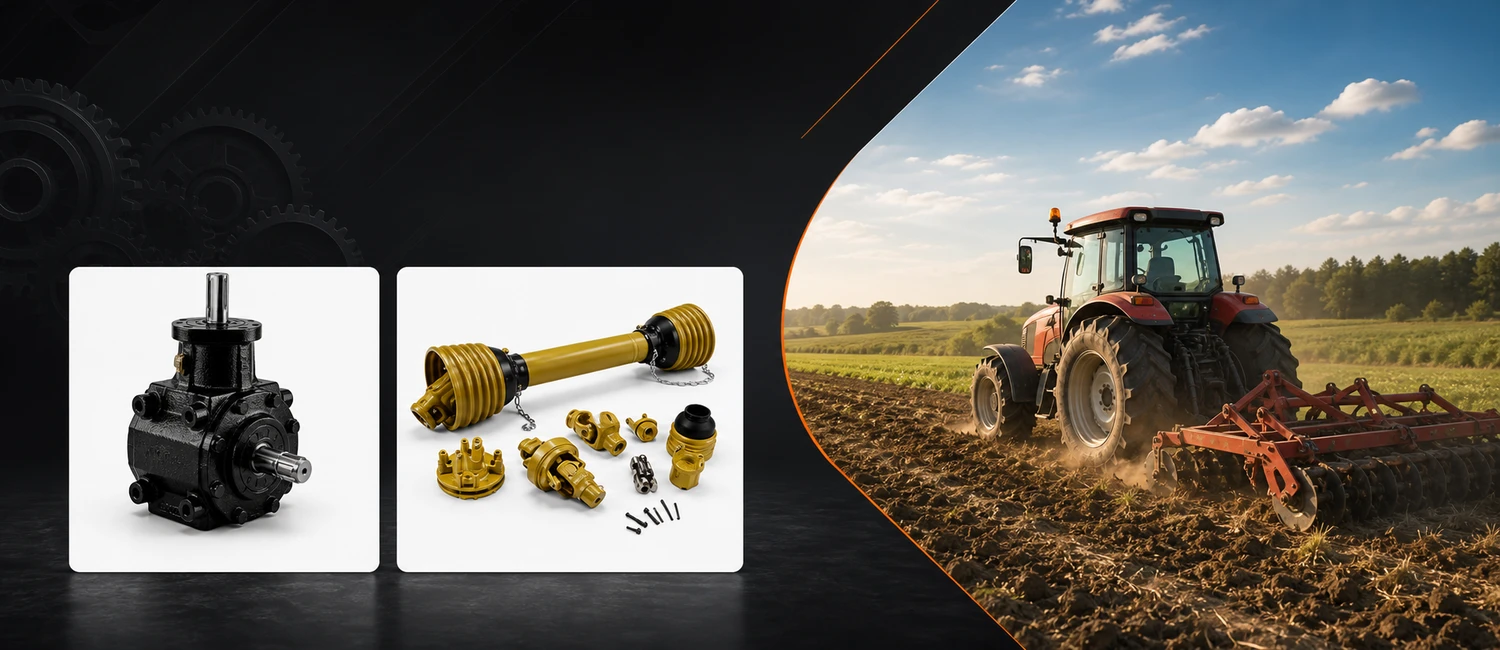 SCICAN Machinery: A Multilingual Export Website for Agricultural Machinery PartsFor SCICAN Machinery, we organized product categories, multilingual content, and technical inquiry paths around agricultural gearboxes, PTO shafts, and disc blades, helping overseas buyers find products and submit detailed requirements faster.
Acquisition asset × AI search
When ads stop, traffic stops.
Your website shouldn't work that way.
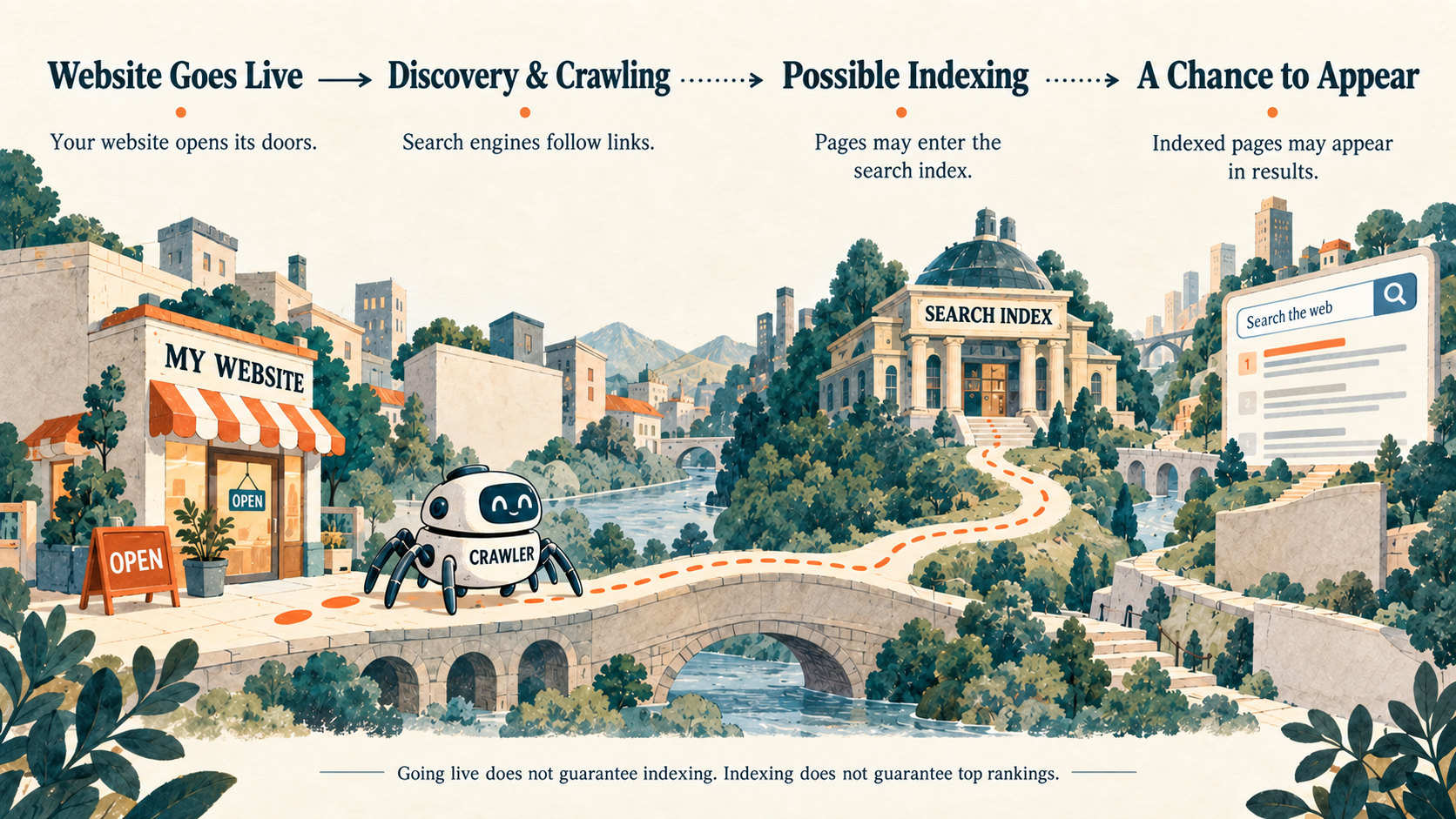
Overseas buyers are searching for suppliers on Google and in AI answers — with the right structure, content, and technology, your website gets found, cited, and recommended again and again.
Ad spend is rent. A great website is an asset.
WHAT WE BUILD
What we can do for you
 01 / PRODUCT
Core product
A custom B2B website designed for inquiry conversion: buyer diagnosis first, then structure, content, and visual design. No template delivery.
 02 / MARKETING
Digital marketing
Ongoing SEO / GEO optimization aligned with campaigns: get found, cited, and recommended on Google and in AI search — widening your traffic entry points over time.
 03 / SOFTWARE
Software development
System capabilities beyond the website: inquiry management, data dashboards, and business system integration. You own the code and data — take them anytime.
CLIENT VOICES
What our clients say

Guoqiang Chen
Export Manager · Ningbo industrial components
Hover the dots to switch · Swipe on mobile
WHY CUSTOM-BUILT
Why a custom site beats templates
| Dimension | Us (01CodeTech custom) ✅ | Template / SaaS builders | Typical agency |
|---|---|---|---|
| Goal | Designed for inquiry conversion — buyer diagnosis before design | Going live counts as delivery | Executes a checklist, never asks why |
| Team | Core members from Alibaba and ByteDance — tech and growth | Support staff + templates, no designer | Uneven quality, often subcontracted |
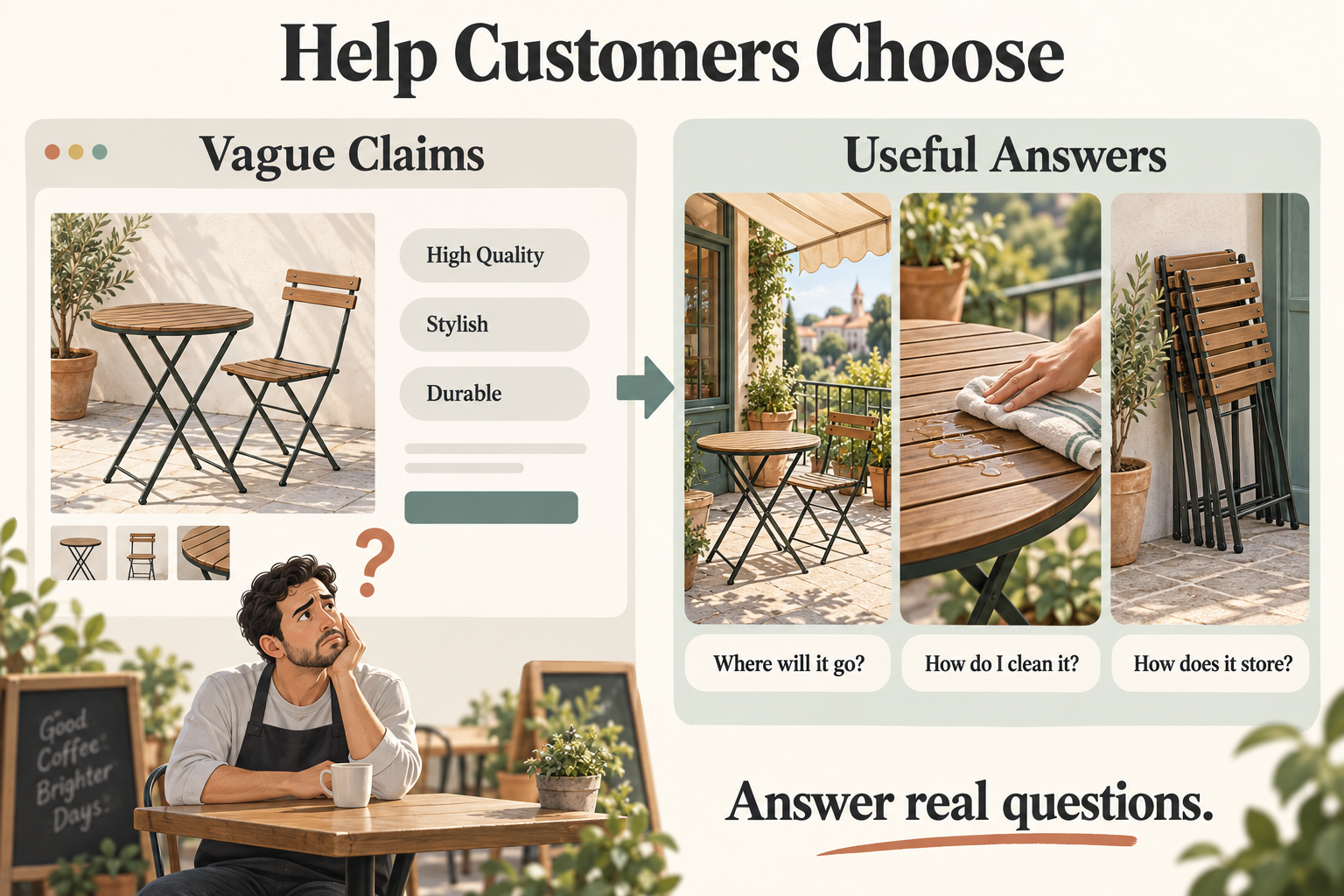
| Content | Selling points in the buyers' language, not translated brochures | You fill in the copy yourself | Whatever you give goes up |
| After launch | Ongoing SEO/GEO optimization widens traffic entry points | Launch is the finish line; changes cost extra | Unreachable after delivery |
| Ownership | You own the code and data — take them anytime | Platform lock-in: leave and the site is gone | Incomplete handover; every change costs extra |
Us vs template builders
- ✅ Designed for inquiry conversion — buyer diagnosis before design
- ✕ Going live counts as delivery
- ✅ Core members from Alibaba and ByteDance — tech and growth
- ✕ Support staff + templates, no designer
- ✅ Selling points in the buyers' language, not translated brochures
- ✕ You fill in the copy yourself
- ✅ Ongoing SEO/GEO optimization widens traffic entry points
- ✕ Launch is the finish line; changes cost extra
- ✅ You own the code and data — take them anytime
- ✕ Platform lock-in: leave and the site is gone
Us vs typical agency
- ✅ Designed for inquiry conversion — buyer diagnosis before design
- ✕ Executes a checklist, never asks why
- ✅ Core members from Alibaba and ByteDance — tech and growth
- ✕ Uneven quality, often subcontracted
- ✅ Selling points in the buyers' language, not translated brochures
- ✕ Whatever you give goes up
- ✅ Ongoing SEO/GEO optimization widens traffic entry points
- ✕ Unreachable after delivery
- ✅ You own the code and data — take them anytime
- ✕ Incomplete handover; every change costs extra
News & Insights
START HERE
Your next customer may be searching for you right now
Get the foundation right first, then amplify. One free diagnosis shows how far your website is from becoming an acquisition asset.
Free trial · No credit card · Cancel anytime